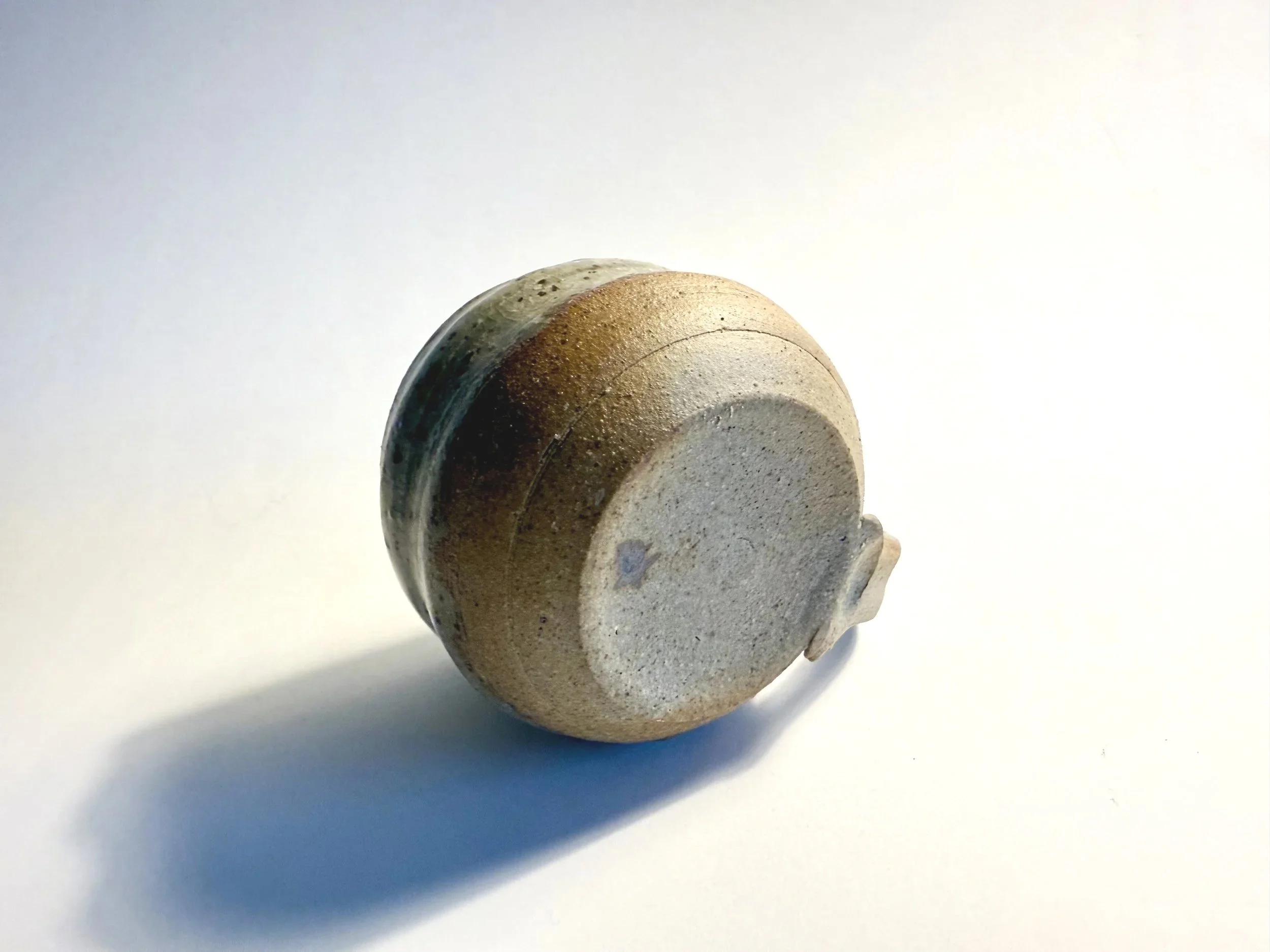
Ceramics: craft as practice
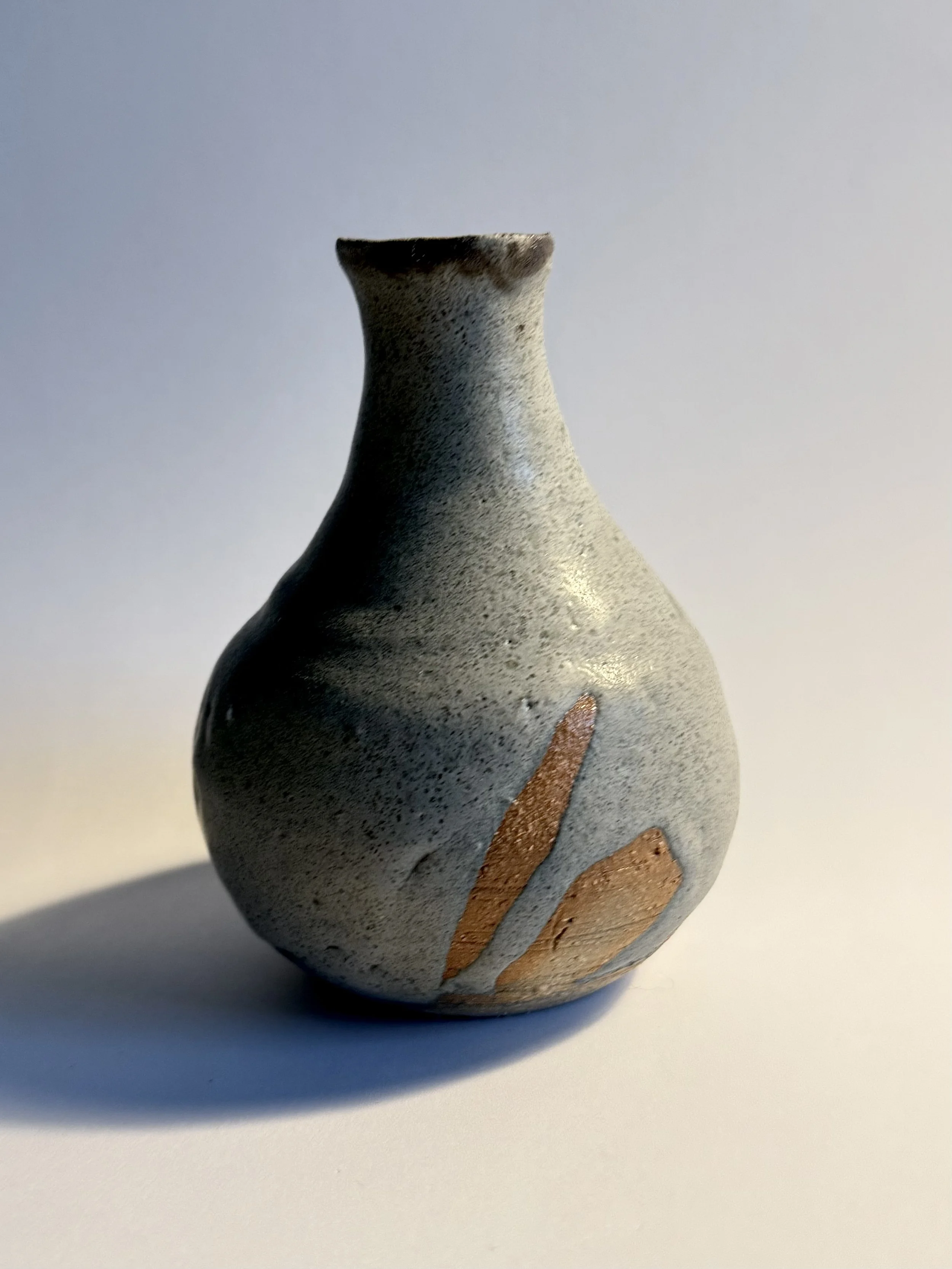
My practice explores the relationship between form and function, and the way in which craft translates thought into tangible objects. Drawing on the traditions of Bauhaus philosophy and British studio pottery, I aim to make pots that are functional, beautiful, and real.
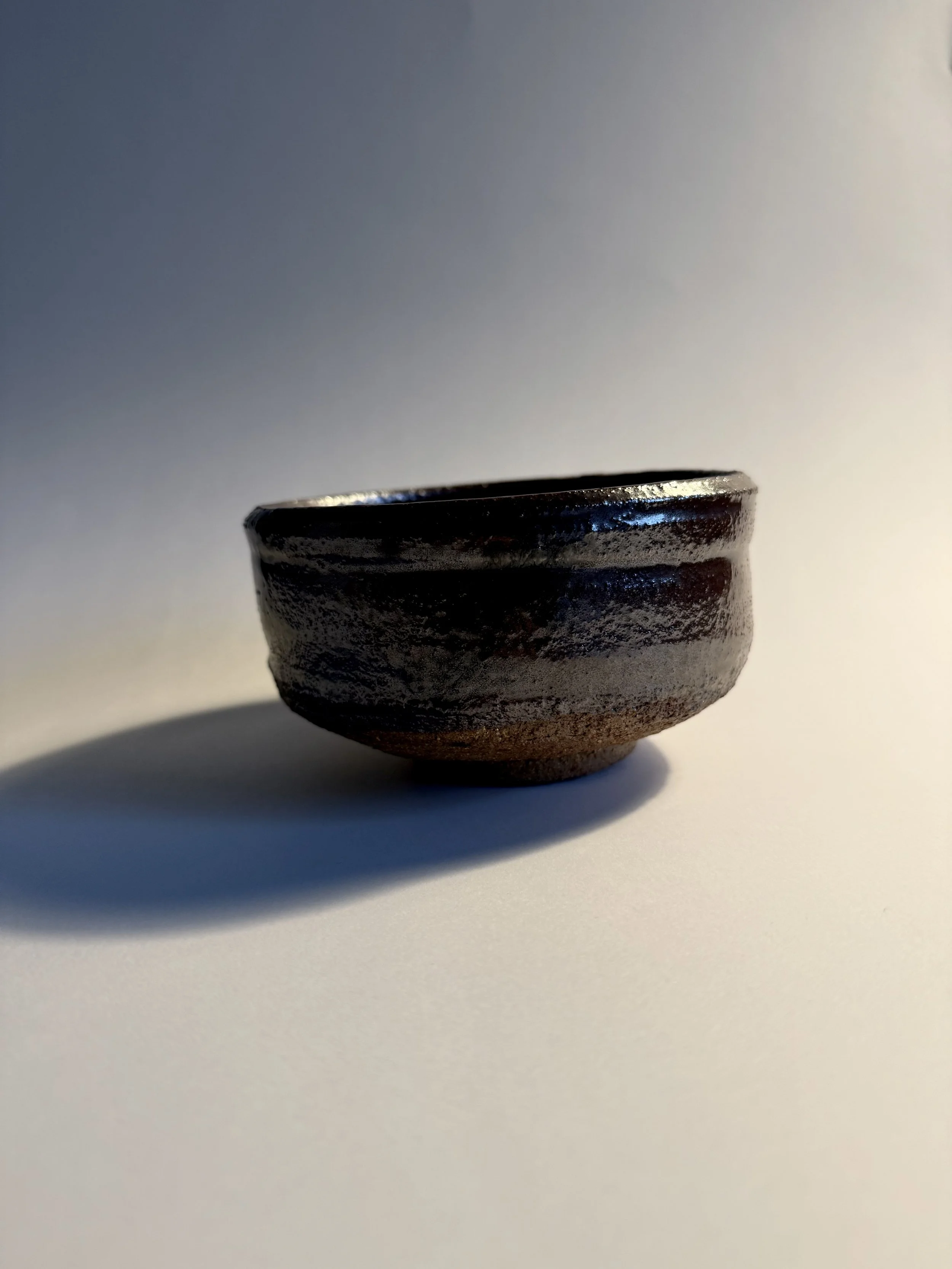
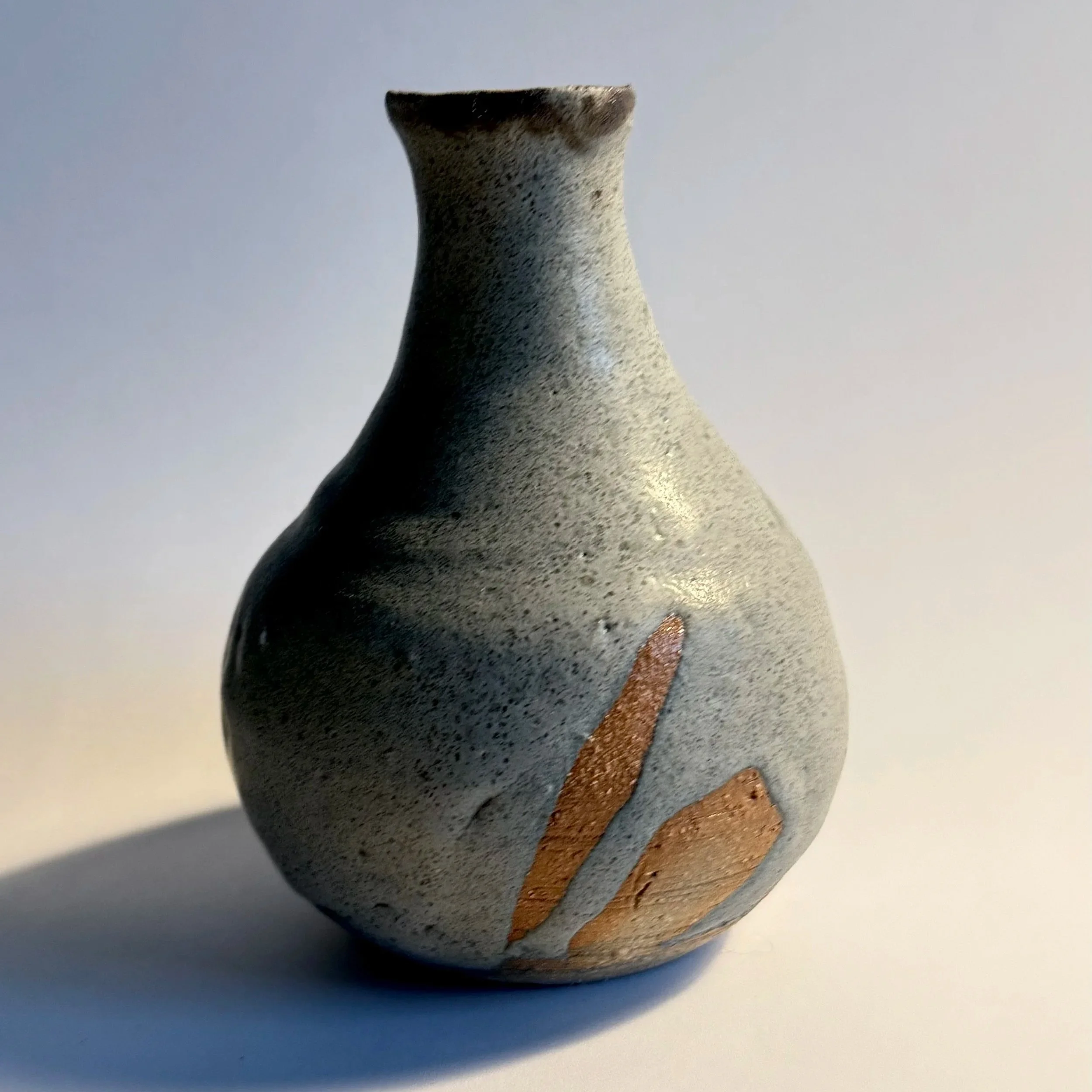
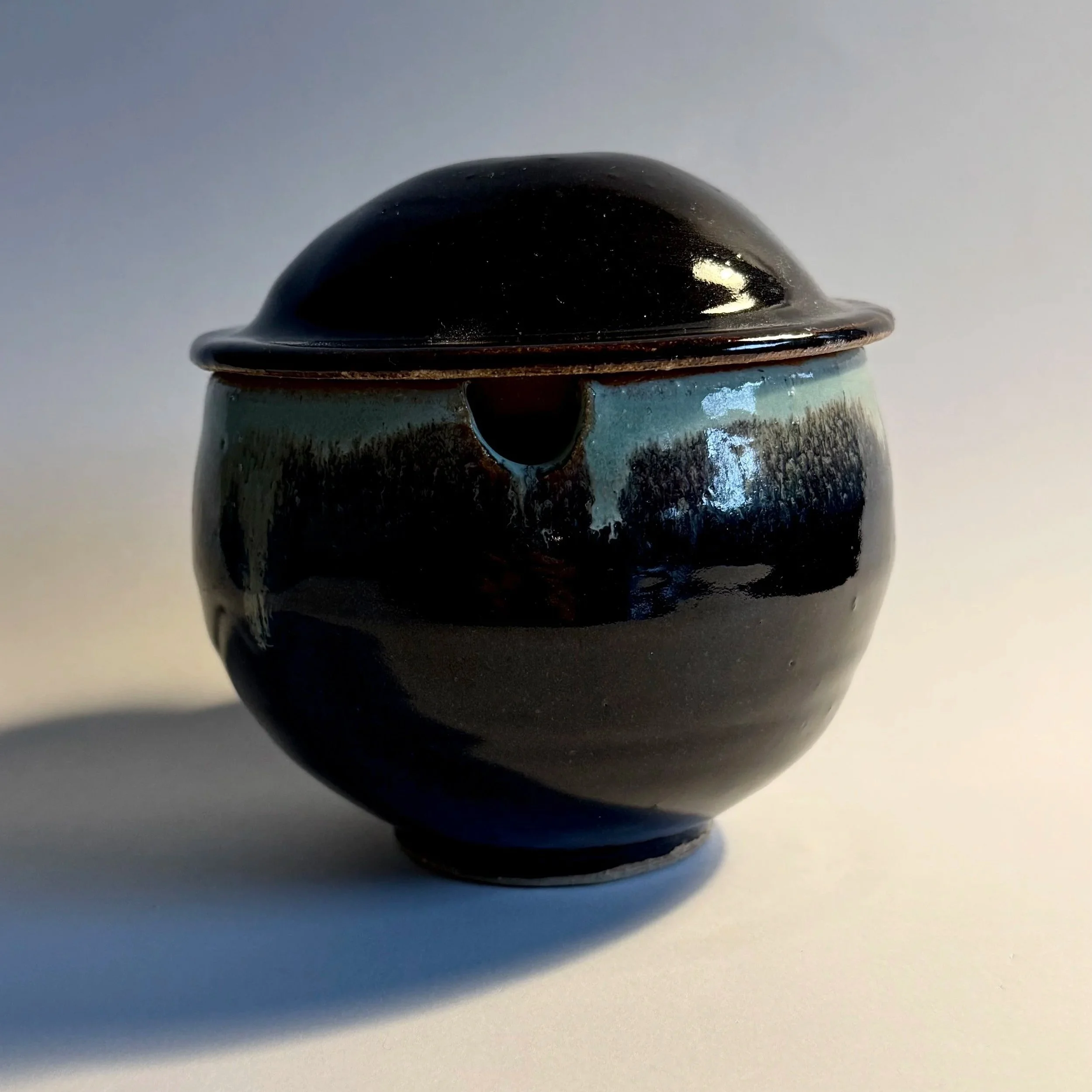
About RG Clay
Ceramics: Craft as Practice
My practice explores the relationship between form and function, and the way in which craft translates thought into tangible objects. Drawing on the traditions of Bauhaus philosophy and British studio pottery, I aim to make pots that are functional, beautiful, and real.
The Synthesis: Knowledge in Action
My approach is a reconciliation of these two lineages. I view the act of making as "knowledge in action." It is the process by which a philosophical inquiry into how we live becomes a physical vessel for the communal table.
By marrying the geometric precision of the Bauhaus with the material integrity of the Leach tradition, I seek to create objects that do more than occupy space. They are tools for living—tangible evidence of the belief that beauty and utility are inseparable components of a life lived with intent.
The Bauhaus: The Logic of Form
The Bauhaus movement transformed the object from a decorative ornament into a technical solution. It proposed that "Form follows Function" not as a stylistic choice, but as a democratic necessity. By stripping away the superfluous, the Bauhaus sought the Ur-form—the essential, geometric core of a vessel that achieves maximum utility through an economy of means. In my studio, this translates to a relentless focus on proportion, weight, and the "industrial logic" of the handmade; a belief that a well-designed object is a contribution to a more orderly and rational world.
The Leach Tradition: The Integrity of the Maker
Where the Bauhaus provides the logic, the British studio tradition—rooted in the legacy of Bernard Leach—provides the soul. Leach viewed the potter’s wheel as a site of ethical discipline. He believed that a pot’s integrity is a direct reflection of the maker’s own "centeredness." This tradition demands a deep, empirical respect for the material: the honesty of the clay body, the alchemy of the kiln, and the technical standards of the foot and rim. To make a "real" pot is to honor the relationship between the earth it came from and the hand that holds it.